



Durability is the most radical act in our sustainability practice.
One pair for ten years beats 100 pairs of landfill plastic.
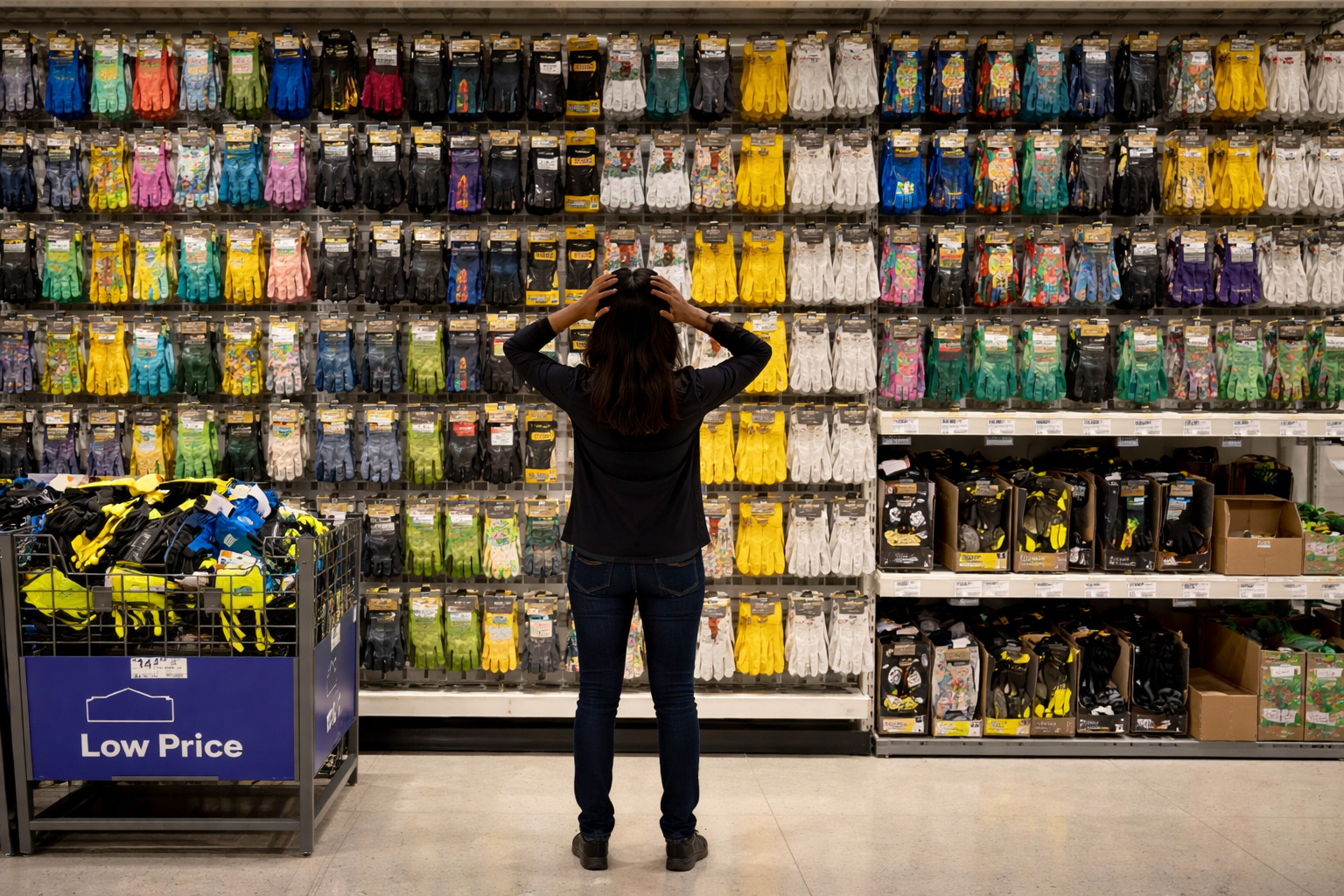
We've all been there at the big box store, we grap a value pack and think "I'll take good care of them this time" or "I'll invest in nice gloves next season"
The value is awesome. But you get what you pay for and 'big glove' wants you to use a new pair of those suckers every weekend.
The problem is that Nitrile coated gloves take more than 100 years to decompose.
In transparency, our gloves are made with synthetic fibers, and therefore contain plastic too.
The difference is in volume saved via durability, and higarden gloves' repairability. If a Nitrile coated pair tears or peels, they go in the bin. And, big box gloves are not washable so once they've touched poison ivy oil, they're basically done for.
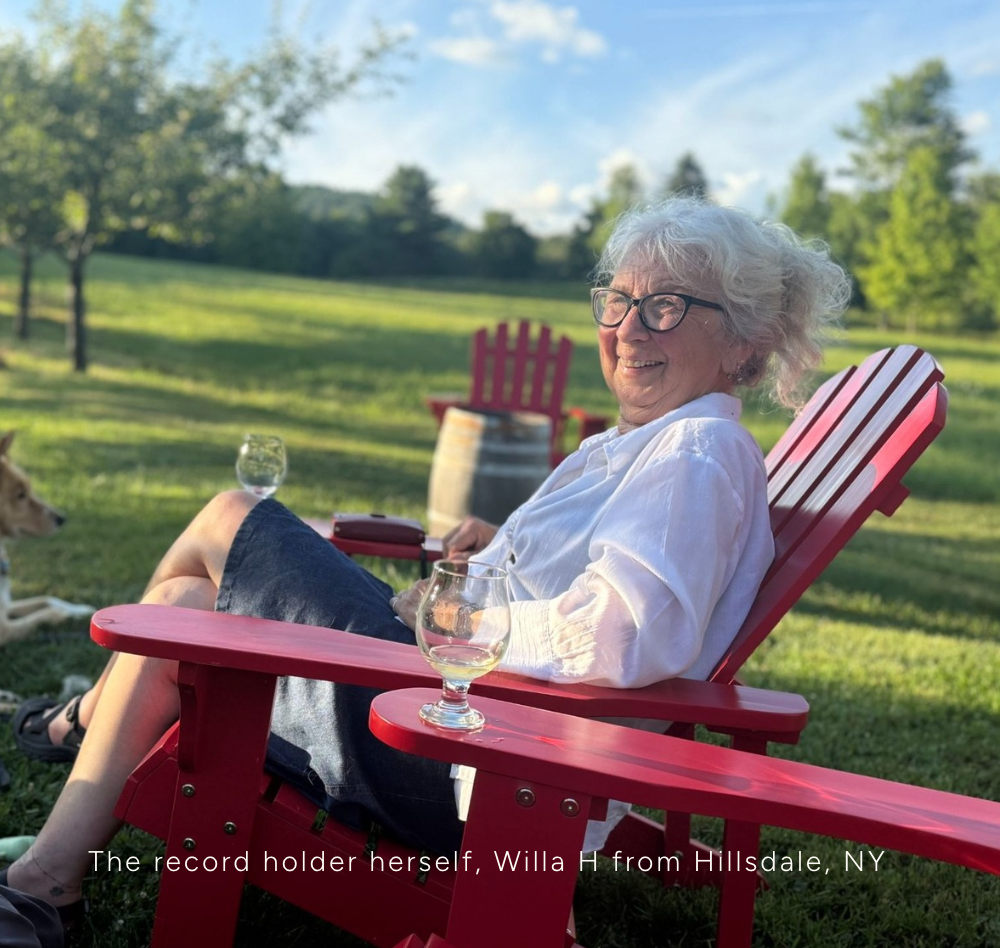
Willa H. of Hillsdale, NY has been wearing the same pair of higarden gloves for ten years. They are, by all available evidence, just getting started.
Although she holds the record today, we accept challengers via a tag on IG — anyone who can top 10 years gets gloves for life.
higarden believes in buying fewer, better things to limit what ends up in the landfill.
part three: the myth
Gardening gloves are like shoes. You wouldn't wear soccer cleats to a trail run or dress shoes to a rodeo — not of social norms, but because different occasions require different footwear. We don't think question this, it's common sense.
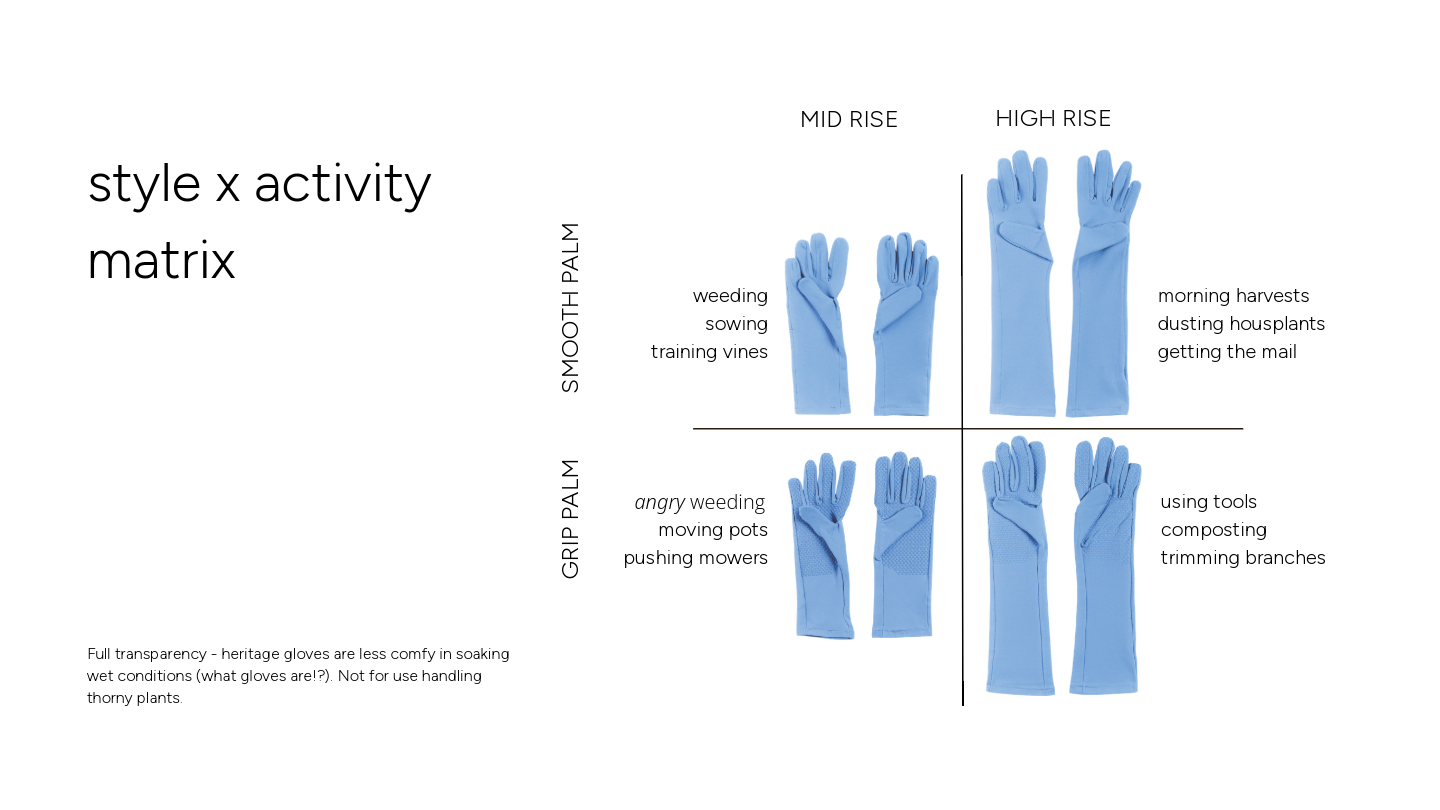
The gardening gloves you chose are no different. There is no glove that does everything.
But, there is a glove for everything.
Though snag resistant, skip the thorny plants when wearing heritage gloves.
Gloves are not waterproof, but water repellant and quick dry. We don't recommend them in very wet conditions.
We suggest swapping a wet pair with your second, third, ideally fourth pair fresh from the dryer. You'll need a full rotation of heritage gloves on hand. Pun intended.
higarden will always be honest about limitations, because we want to help solve gardener's issues.